
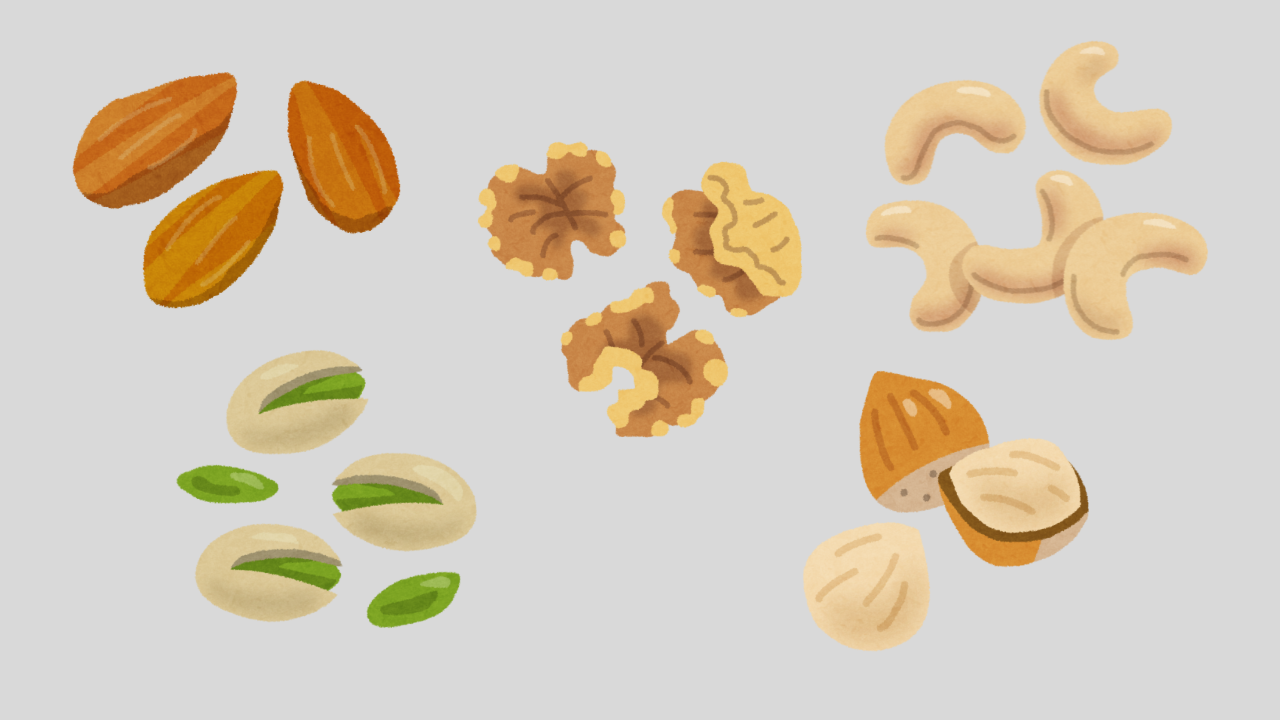
Almonds, peanuts, cashews, walnuts, and many other nuts are not only delicious, but they may also provide more health benefits than most people realize.
Natures perfect snack
For a long time, nuts were considered unhealthy because they contain high amounts of fat. In a world where many people focus heavily on counting calories, this has caused nuts to be unfairly criticized. When people focus only on calories, they often forget about important nutrients and minerals that our bodies need to function well. Instead of thinking only about a number on a nutrition label, we should also think about how food affects our energy, productivity, and overall health. In this article, we will explore why nuts are actually a very beneficial food to include in your diet.
What kind of nuts?
There are several types of nuts that you can start incorporating into your diet today to see health benefits. The powerhouse nuts that are the most beneficial for you are:
- Almonds: Calcium and vitamin E.
- Walnuts: Folate, vitamin E, and ALA (an omega-3 fatty acid)
- Hazelnuts: Magnesium, calcium, vitamins B and E, as well as unsaturated fats.
- Cashews: Zinc, iron, and magnesium.
- Pistachios: Vitamin B, and potassium
All nuts have positive benefits so it is truly your choice in which ones you consume. However, it is important to remember that nuts are best consumed dry roasted. Avoid nuts that are:
- Salted
- Honey-roasted
- candied
How many nuts can I eat?
Let me guess, every time you’ve wondered how many nuts can I eat? You have heard a “small handful”. But this is not a great piece of advice because that is a completely opinionated amount. According to Harvard Medical School the recommended amount is 1 ounce or about a quarter of a cup. Just make sure not to over do it. Below is a chart of the recommended amounts of nuts per MD Anderson:




Leave a Reply